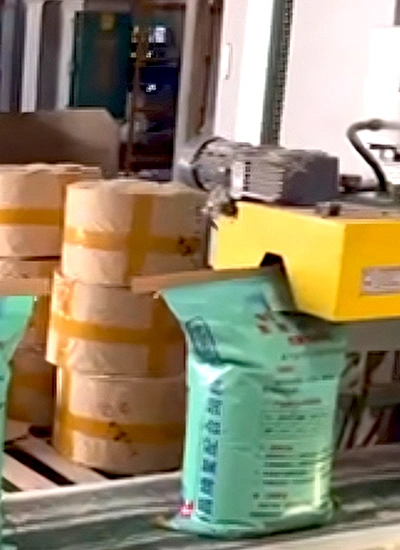
-
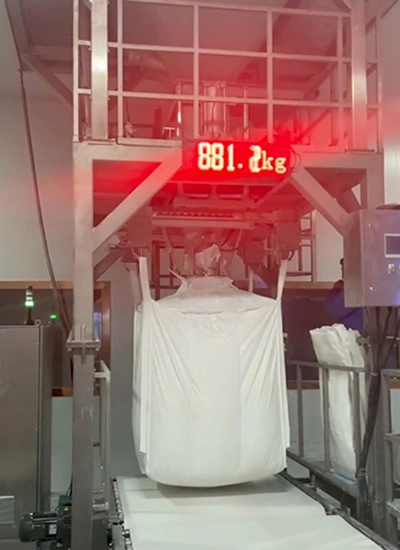
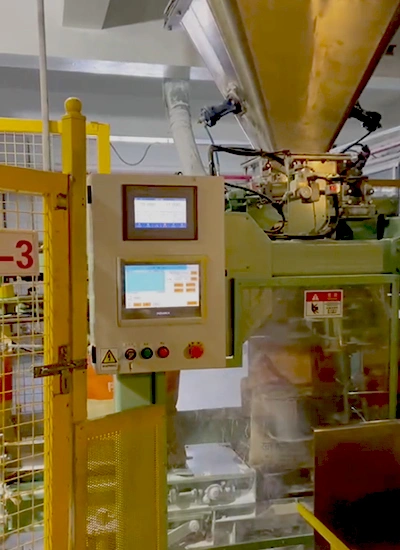
A semi-automatic open-mouth bagging machine combines mechanical automation with a controlled level of manual assistance. The main frame is built from durable metal structures that remain stable under long hours of heavy-duty operation. Inside the machine, sensors capture accurate weight and position data, pneumatic components drive each motion with smooth responsiveness, and the electrical control system coordinates the full sequence to keep the process steady and reliable.
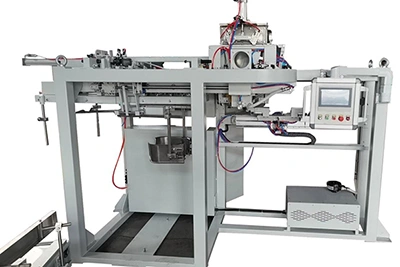
Designed for filling and closing pre-made open-mouth bags, this semi-automatic system handles granular and powder materials across a wide range of production environments. The bagging machine combines automated functions with simple operator interaction, making it a practical choice for plants seeking higher efficiency without the investment of a fully automated line.
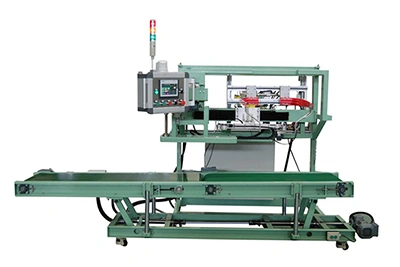
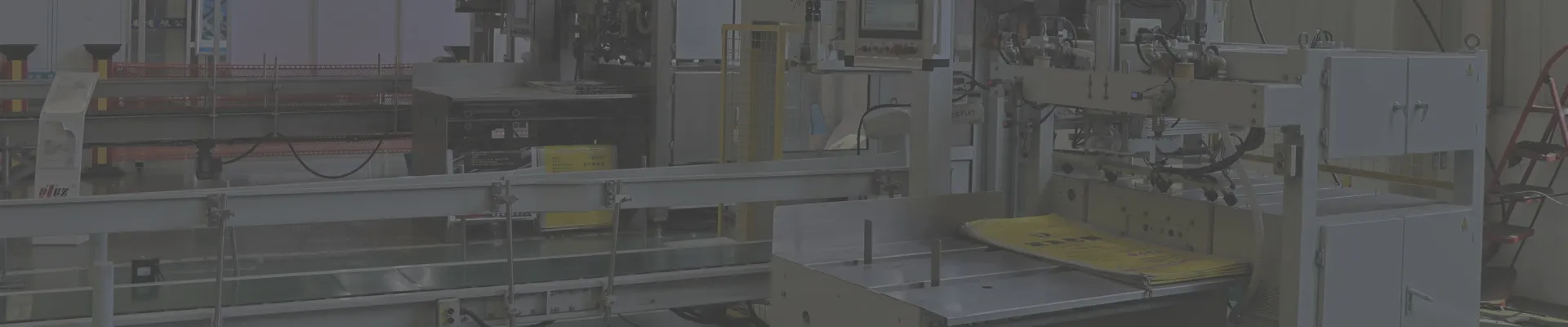
This single-station open-mouth bagging machine is designed to automate the bag transfer and bag-guiding process while keeping the bag-placing step manual. It is well suited for feed mills, grain processing plants, chemical material handling, and other bulk-material applications. When connected to a bag-closing pedestal, the system performs bag transfer, guiding, folding, labeling, and sewing automatically. Only the initial step of placing the empty bag onto the clamp requires manual work.
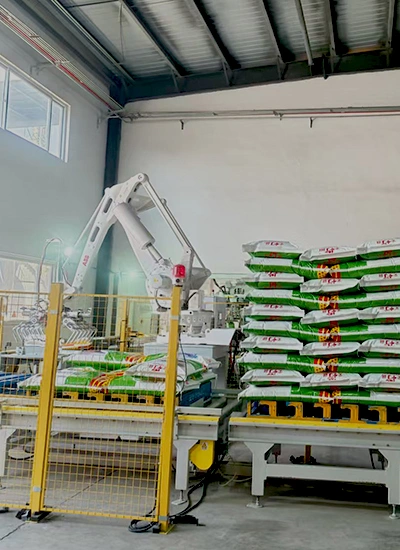
From bagging to palletizing, we design and manufacture full packaging lines engineered to match your bulk materials, capacity needs, and plant layout.
A single-station model works well for factories producing up to 300–400 bags per hour or facilities with limited floor space. Medium-scale operations that expect continuous output often choose a double-station design, as the alternating workflow helps reduce idle time and increase overall efficiency.
The semi-automatic open-mouth bagging machine is compatible with paper bags, woven bags, and PE bags. It handles common flat-top bags and M bags, though final confirmation is needed to ensure bag size, weight, and the bag clamp design are fully aligned.
A semi-automatic system can be integrated with automatic weighing, sealing, and palletizing modules. When the time comes to expand into a fully automatic line, the existing machine does not need to be replaced.
In dust-heavy workshops, it is recommended to add a dust-collection device and use stainless steel for material-contact components. This reduces dust leakage during filling and helps prevent corrosion on key machine surfaces.